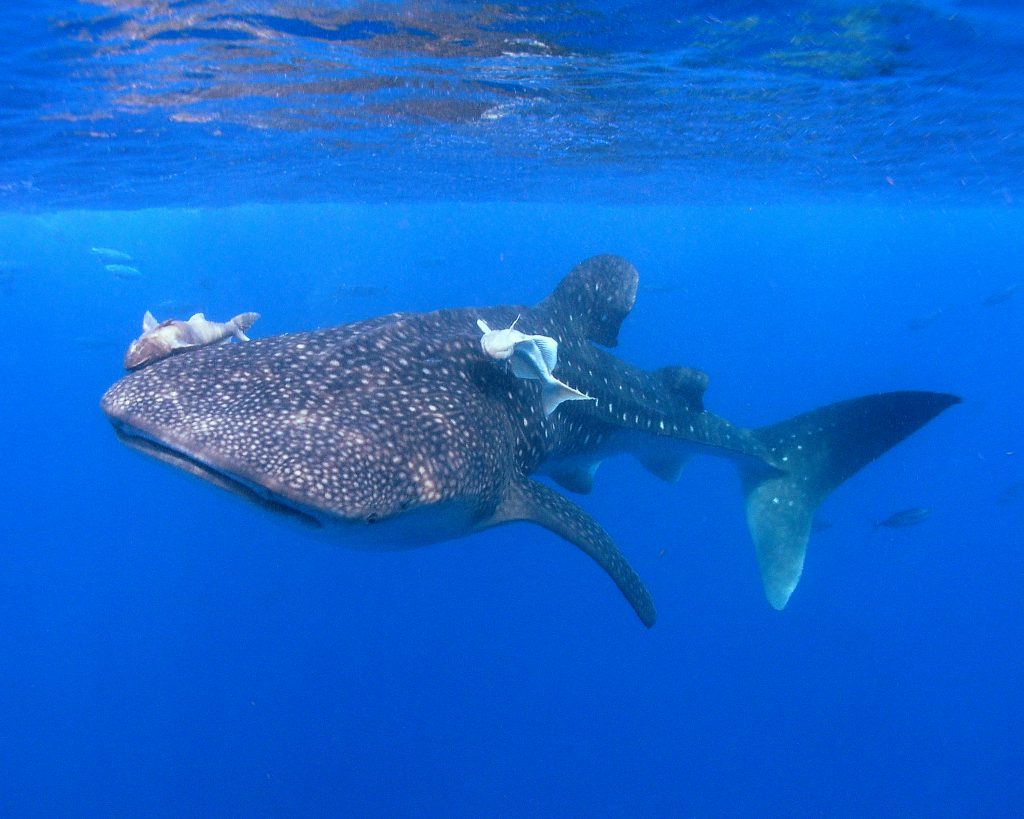
Whale shark diving has a way of resetting your sense of scale underwater. As the largest fish in the ocean, they can grow beyond 40 feet long, yet they feed by gliding through the water with their enormous mouths open, filtering plankton and small fish.
Despite their size, whale sharks often move with an almost effortless calm. Divers who have spent years searching for smaller, faster marine life frequently describe their first whale shark encounter as peaceful and even meditative. The animal is enormous, but its movements are slow, steady and unhurried.
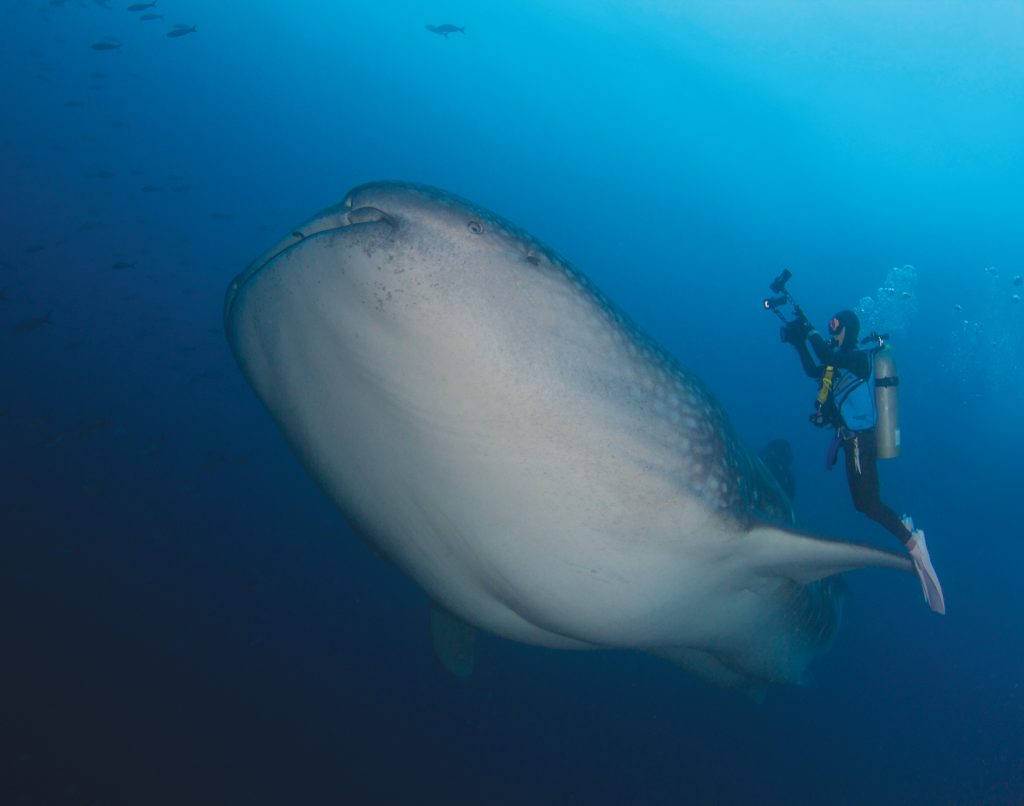
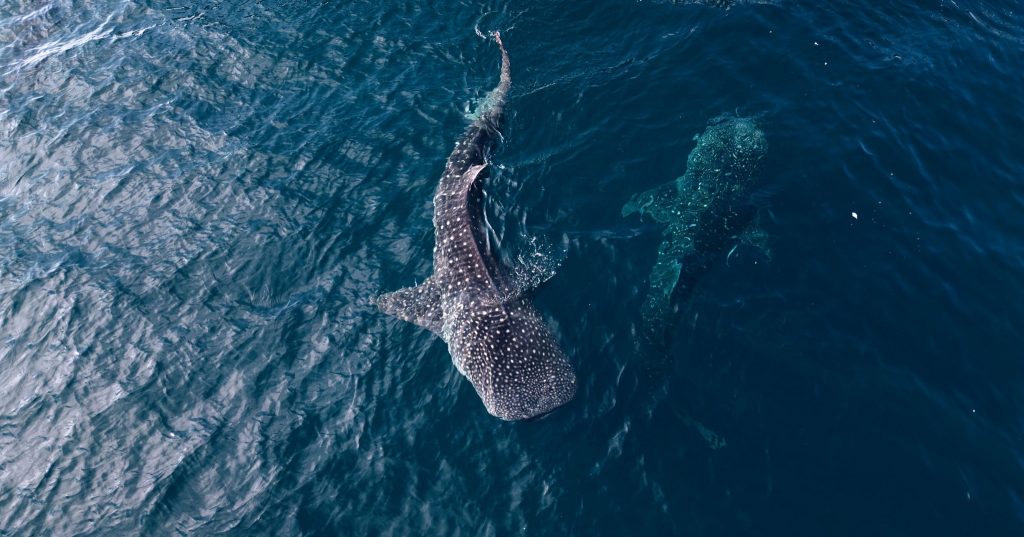
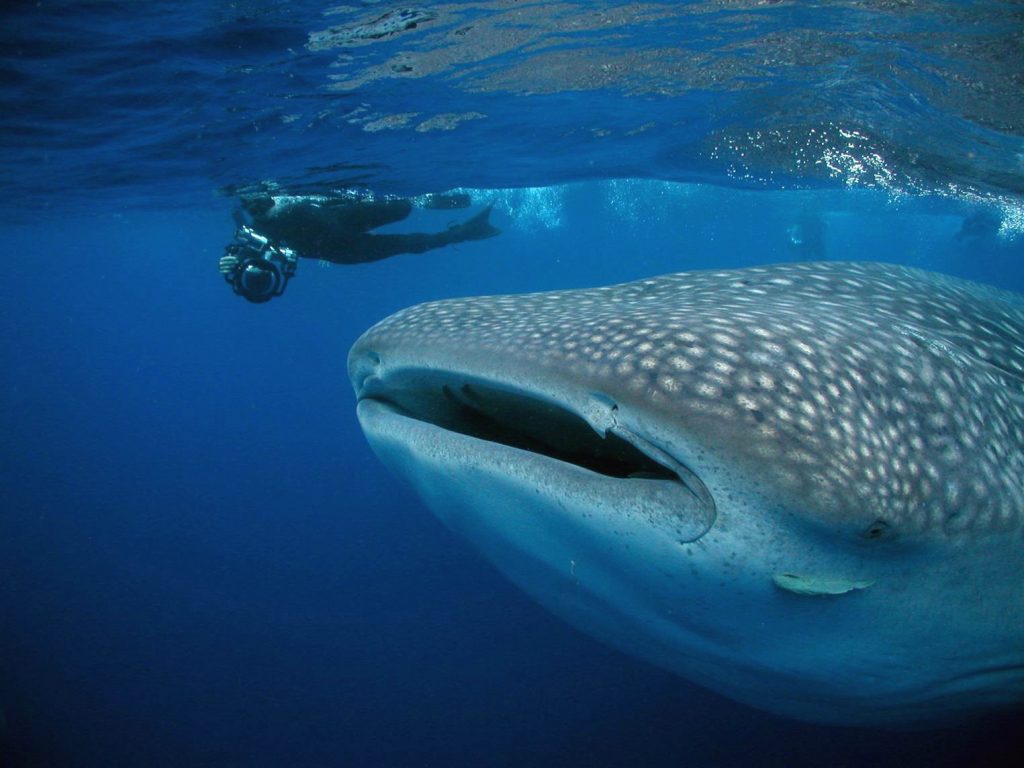
Part of what makes whale sharks so compelling is how much remains unknown about their lives. They migrate across vast stretches of open ocean, sometimes traveling thousands of miles, but researchers are still working to understand where they breed, how they navigate and how long they live.
What is known is that whale sharks are more frequently observed in certain regions, often in connection with seasonal currents, plankton blooms or reliable food sources. Timing, conditions and animal movement always play a role, and no wildlife encounter can be guaranteed. However, several Aggressor itineraries travel through destinations known for offering exciting opportunities for whale shark diving.
Cocos Island: Encounters in the Open Pacific
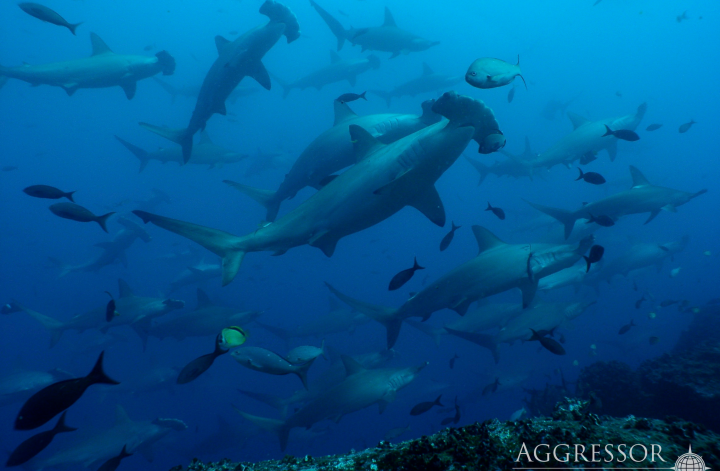
Cocos Island is best known for schooling hammerheads, but whale sharks may also appear in the surrounding waters. Located approximately 342 miles off Costa Rica’s Pacific coast, the island is a remote destination known for large pelagic species and unpredictable encounters.
Whale sharks have historically been observed around Cocos throughout the year, with sightings sometimes becoming more frequent between June and September. Depending on conditions, divers may spend one dive watching hammerheads move across the reef and find themselves scanning the blue for an entirely different giant on the next.
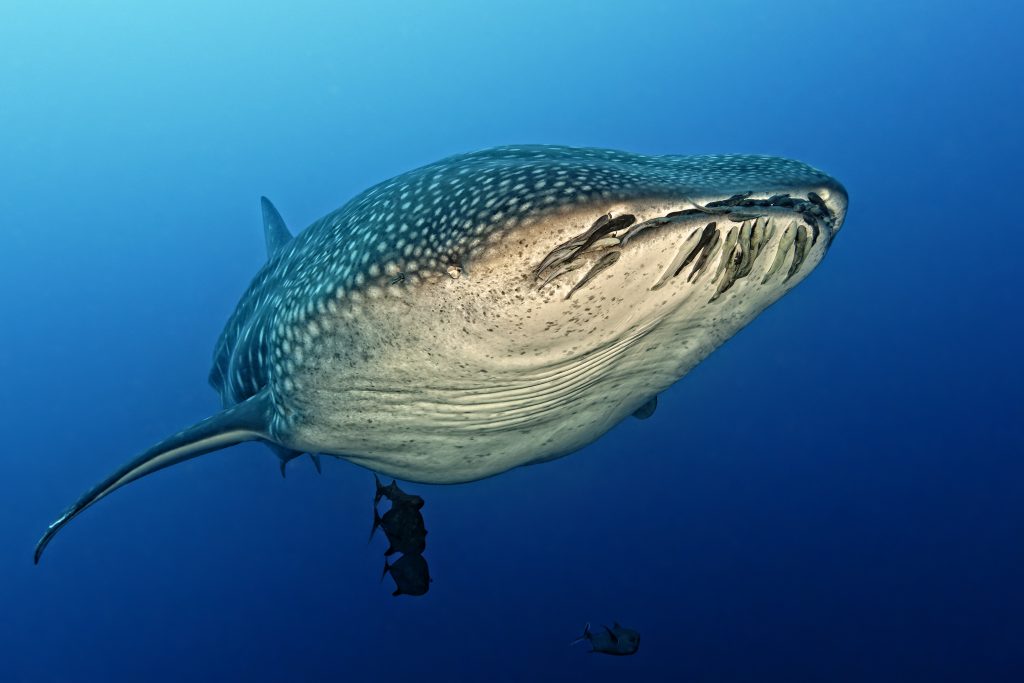
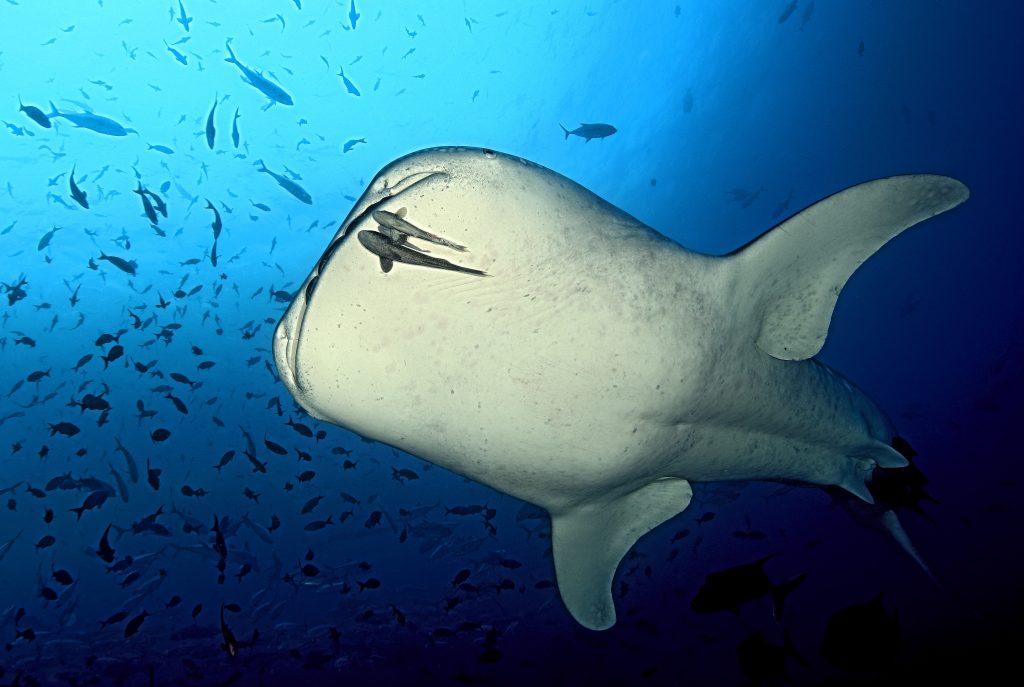
The Cocos Island Aggressor and Okeanos Aggressor II depart from Puntarenas and make the open-water crossing to the island. This is an itinerary designed for experienced divers looking for the remote and untamed side of big-animal diving.
Diving is conducted from tenders, with no shore access, and conditions can vary throughout the year. Whale sharks are never guaranteed, but the possibility of encountering them adds another layer of excitement to a destination already known for hammerheads, rays, reef sharks and other pelagic marine life.
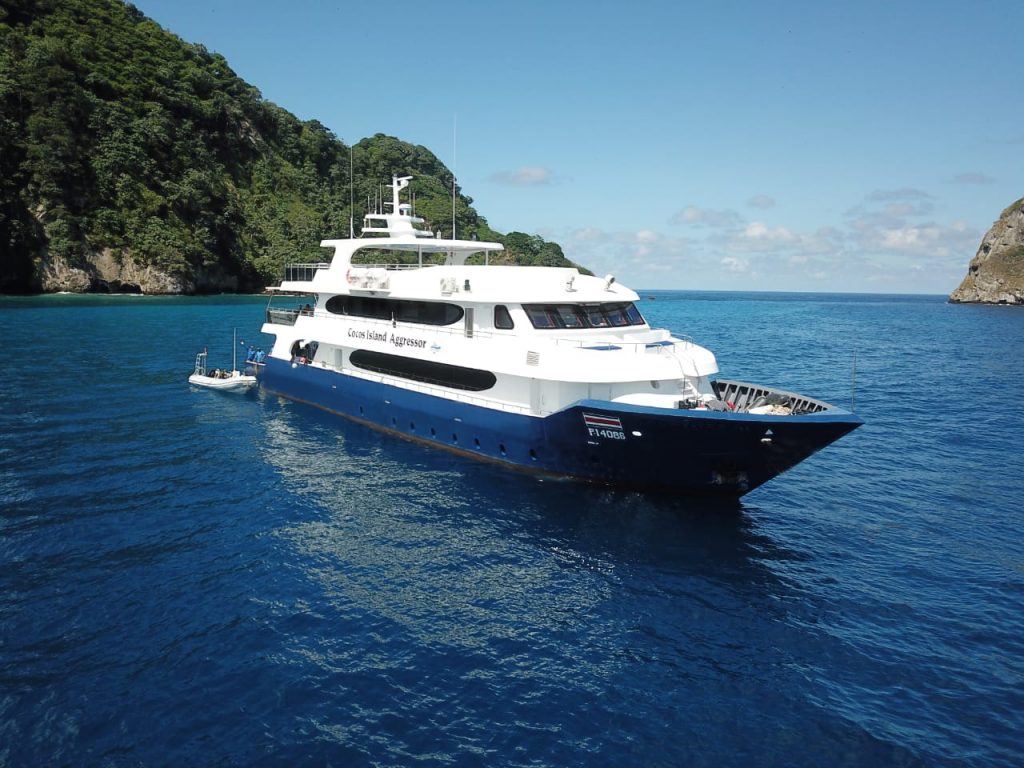
Cocos Island Aggressor 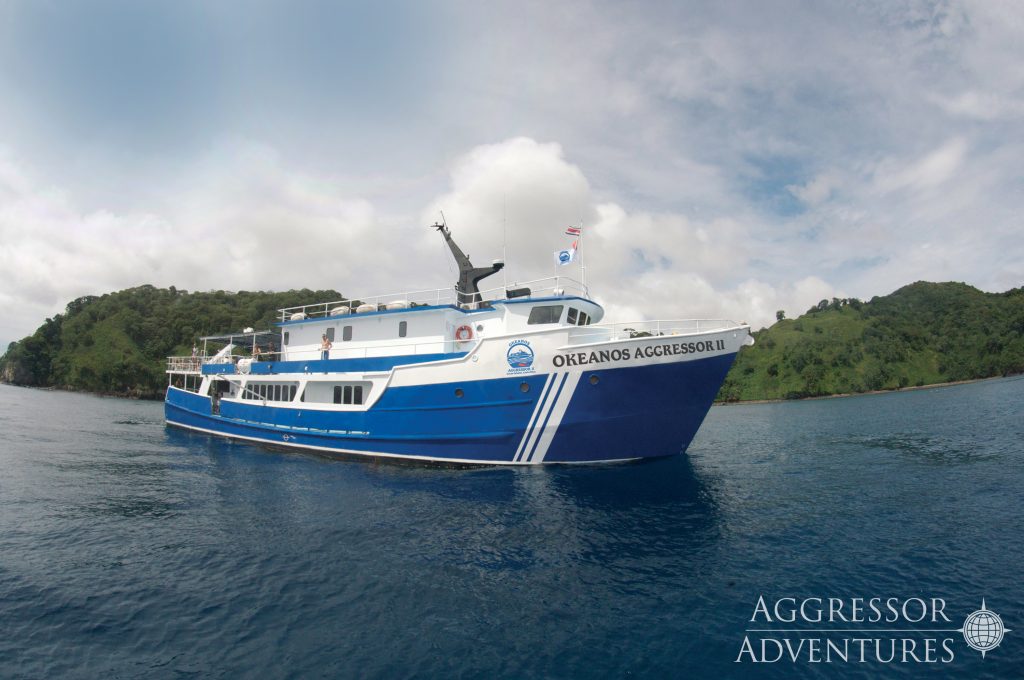
Okeanos Aggressor II
Galapagos: Seasonal Whale Shark Opportunities
Few destinations are as closely associated with seasonal whale shark encounters as the Galapagos Islands.
Between approximately June and November, cooler, nutrient-rich waters influenced by regional currents move through the archipelago. During this period, whale sharks may be encountered in the waters around Darwin and Wolf, alongside the schooling hammerheads and other large marine animals for which the islands are known.
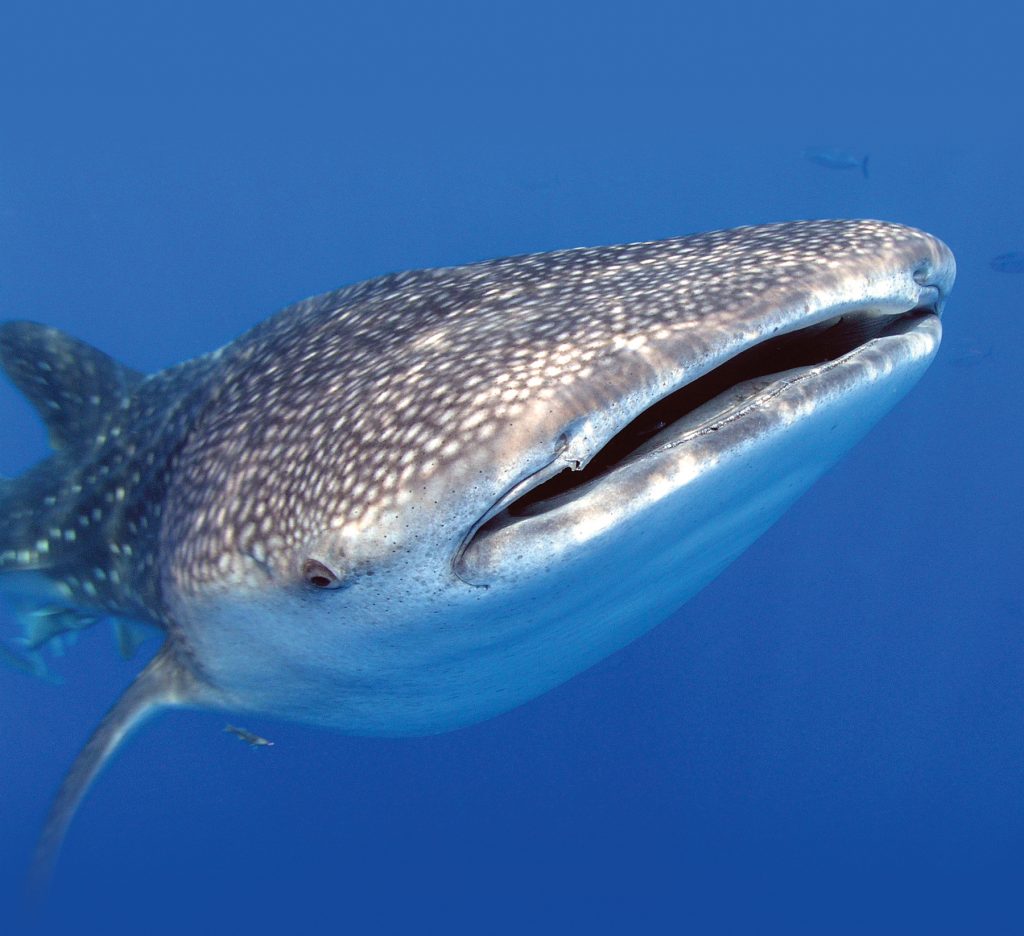
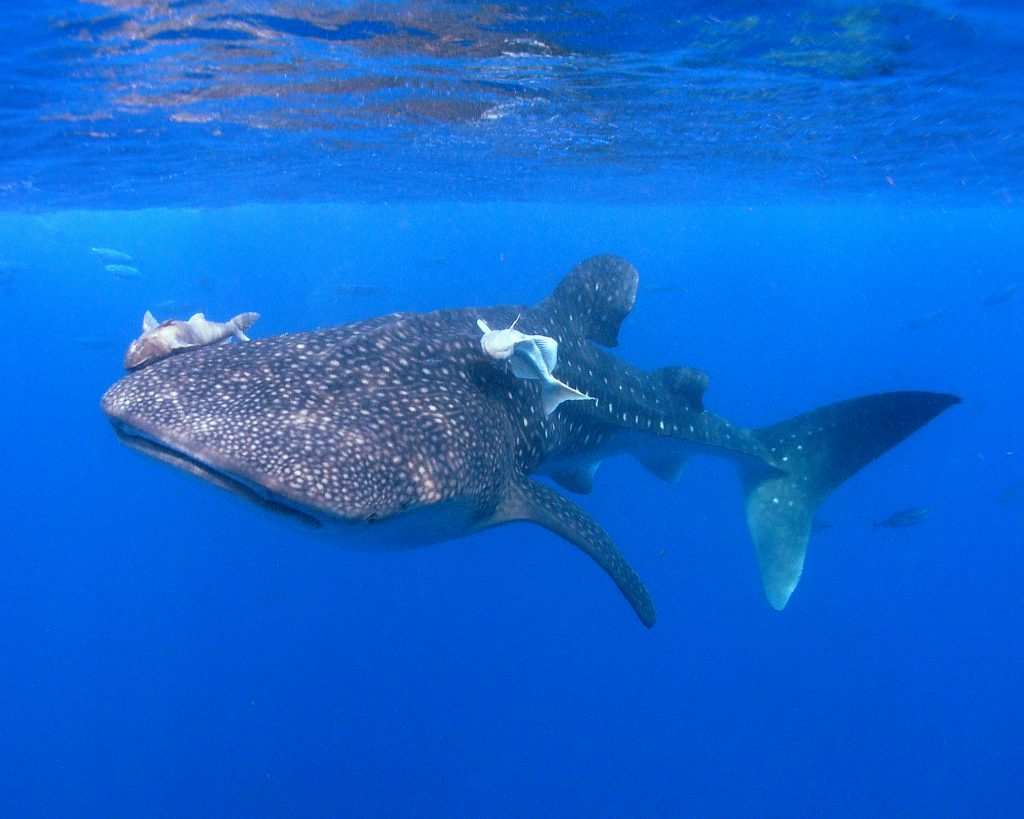
Many of the whale sharks documented in this region have been large females, including individuals believed to be pregnant. Researchers are still working to understand why these sharks gather in the area and what role the Galapagos may play in their migrations.
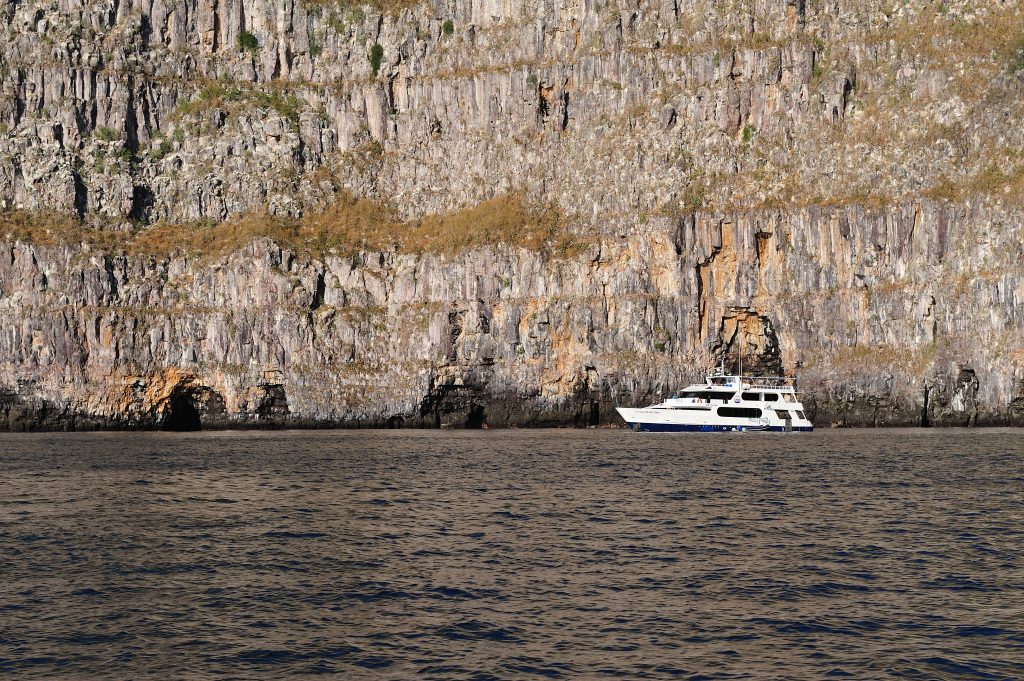
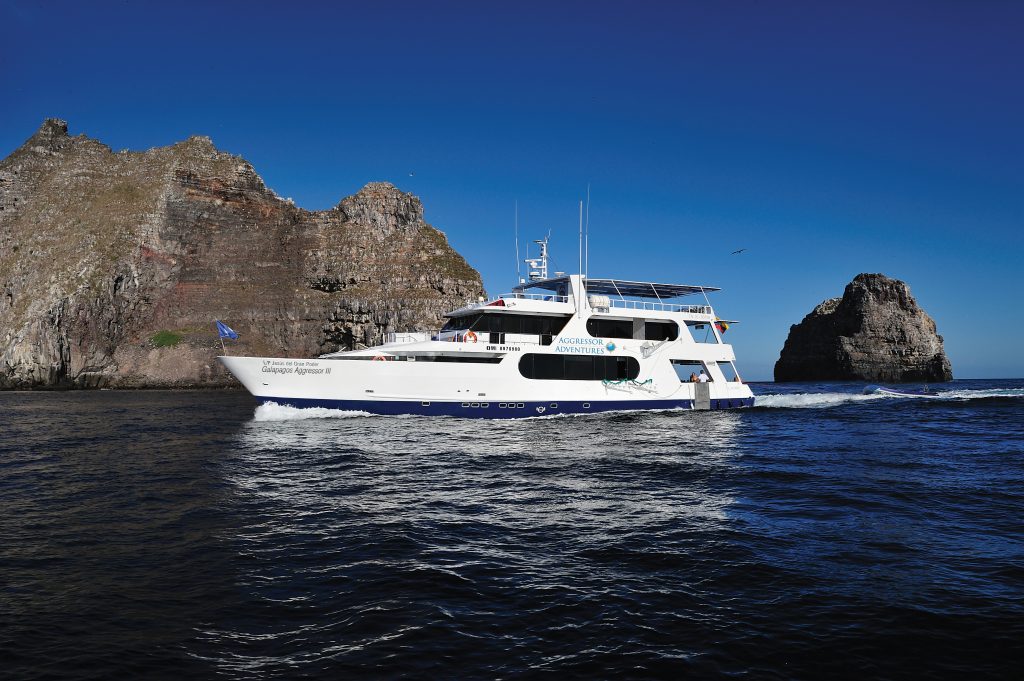
Aboard the Galapagos Aggressor III, guests experience up to four dives a day along with scheduled land excursions. Water temperature, visibility and marine-life activity can change significantly between seasons.
June through November generally brings cooler water and increased opportunities for whale shark sightings. December through May typically offers warmer conditions, with manta rays, schooling hammerheads and other marine life often becoming the focus of the diving.
Aggressor has operated in the Galapagos since 1993, with each charter following an approved National Park itinerary. Exact dive locations remain subject to park regulations, weather, ocean conditions and operational decisions.
Indonesia: A Different Kind of Whale Shark Encounter
Indonesia offers a very different kind of whale shark opportunity.
In some regions, whale sharks gather near traditional wooden fishing platforms known as bagans. Fishermen use lights at night to attract small fish, and whale sharks may arrive to feed around the platforms.
When conditions align, these encounters can provide an opportunity to observe whale sharks moving calmly near the surface. Unlike a brief sighting in open water, activity around a bagan may allow guests more time to watch the animals’ movement, feeding behavior and distinctive spotted patterns.
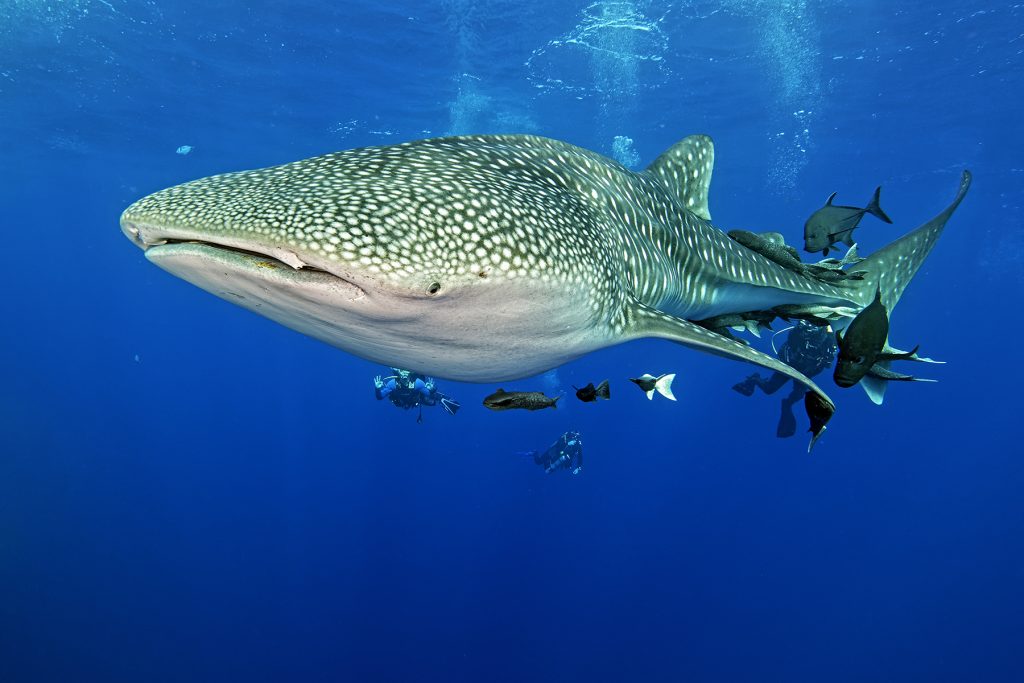
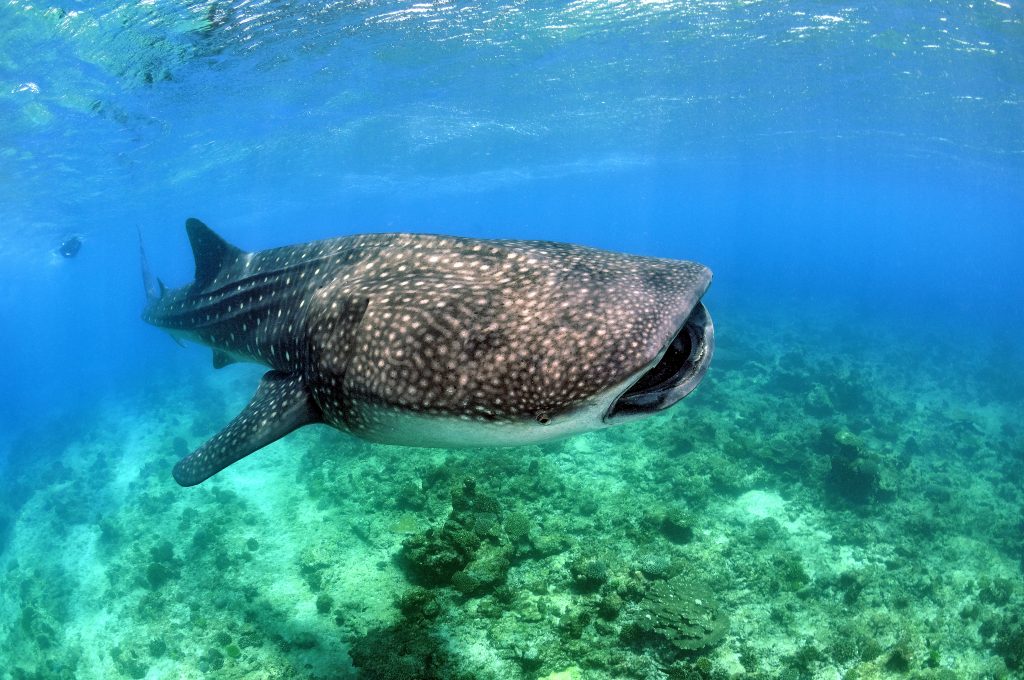
As with any wildlife experience, conditions can change from one charter to the next. Bagan visits, itinerary routes and whale shark activity are never guaranteed and remain dependent on local conditions, operational decisions and the movement of the animals.
Aggressor’s Indonesia itineraries explore a wide range of marine environments, from coral-covered walls and manta cleaning stations to volcanic landscapes and macro-rich reefs. The possibility of encountering a whale shark on the Komodo Aggressor or Raja Ampat Aggressor becomes one part of a much larger journey through one of the most biologically diverse marine regions in the world.
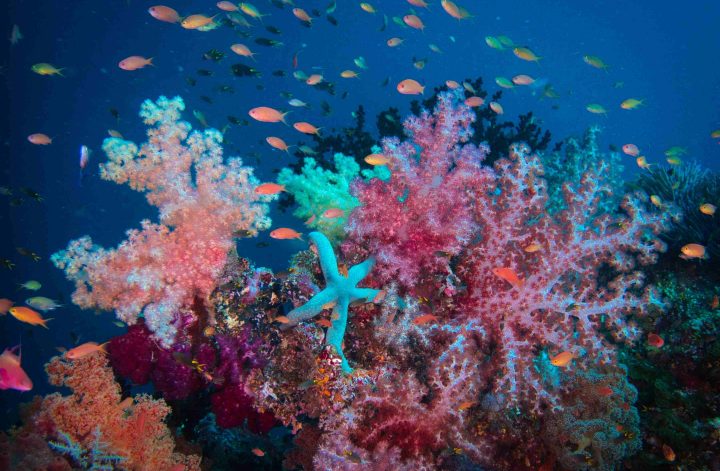
That variety is what makes Indonesia especially appealing. A single charter may include encounters with large pelagic animals, colorful reef life and some of the ocean’s smallest and most unusual creatures. Even when whale sharks remain elusive, the surrounding diving offers no shortage of memorable experiences.
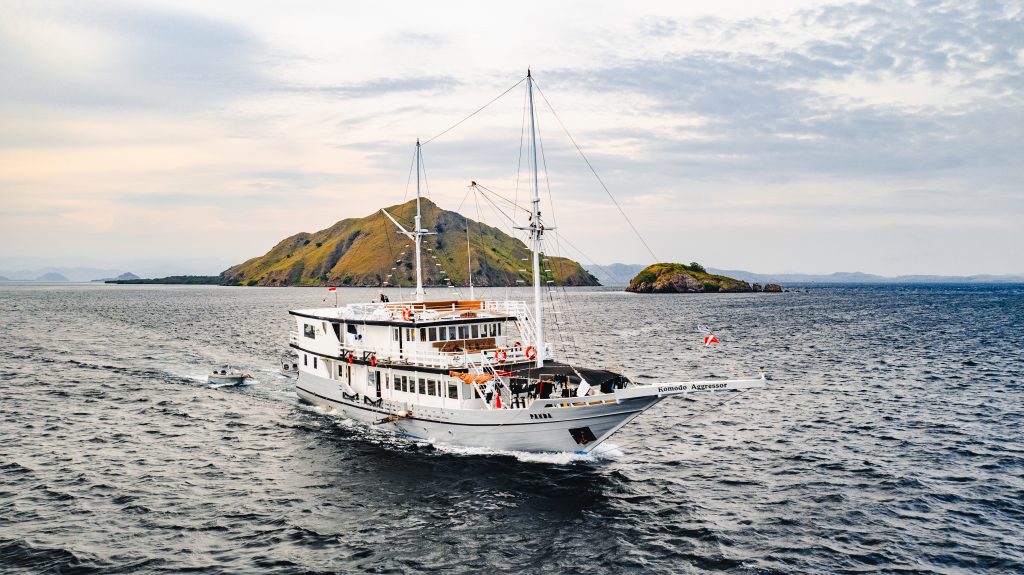
Komodo Aggressor 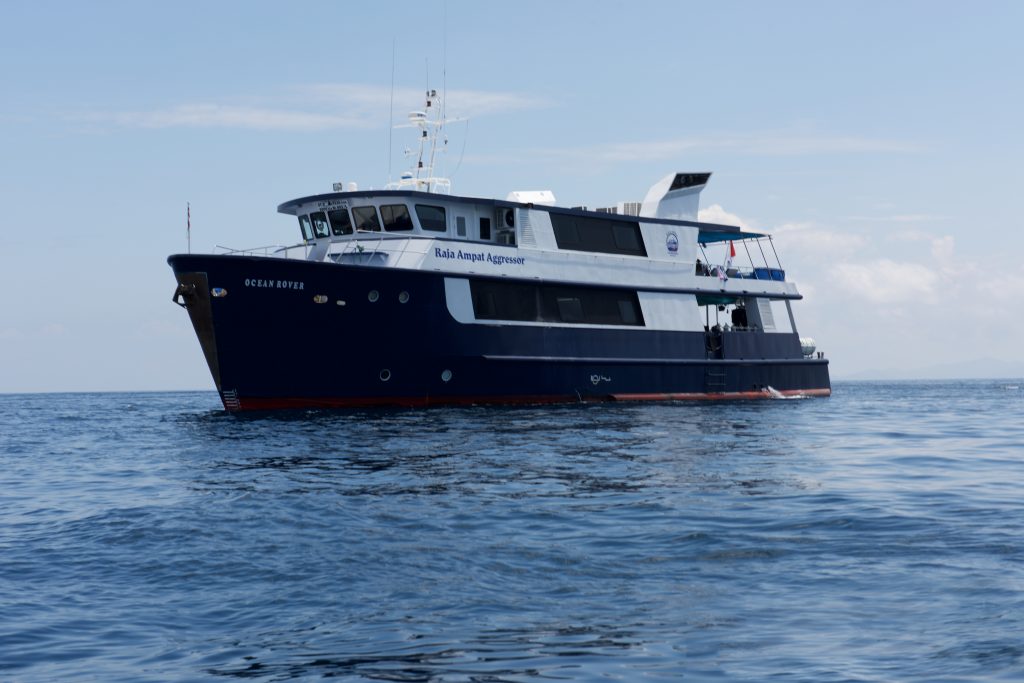
Raja Ampat Aggressor
More Than the Whale Shark Encounter
The possibility of seeing a whale shark may inspire the journey, but the full liveaboard experience extends well beyond a single encounter.
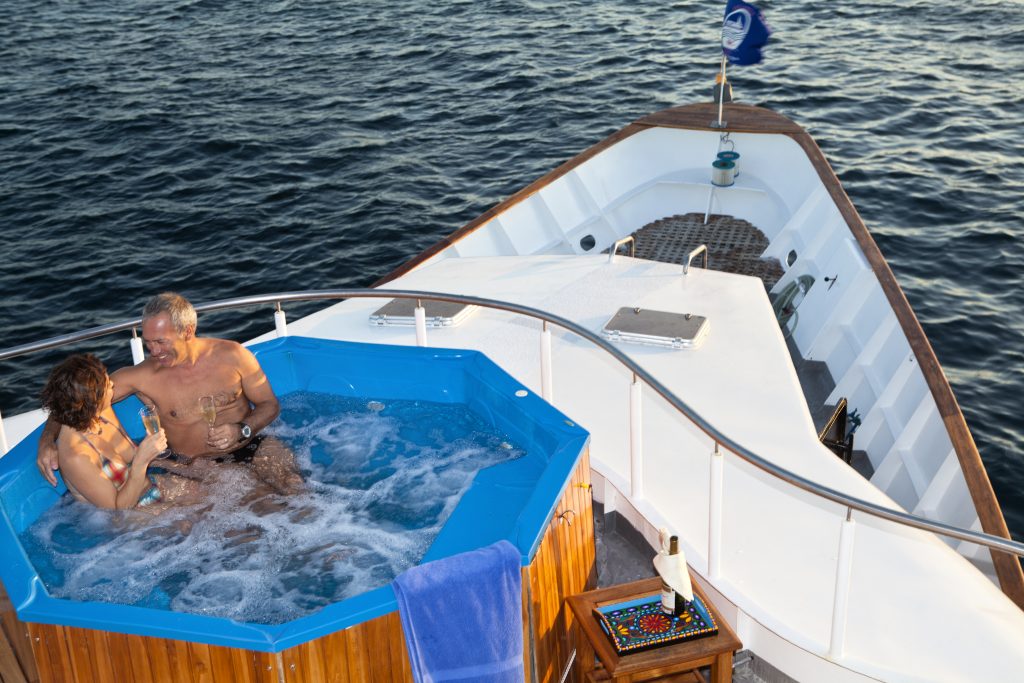
Aggressor Adventures has operated liveaboards for decades, and many returning guests say it is the thoughtful details that make each charter memorable. It may be the crew remembering a guest’s coffee order, equipment being ready for the next dive or a warm towel waiting after a cooler morning in the water.
Luxury aboard a liveaboard is not defined only by the yacht itself. It is found in attentive service, experienced crews, well-planned diving and the confidence that the details are being handled.
That preparation allows guests to focus on the experience around them, whether they are watching hammerheads at Cocos Island, exploring the waters of Darwin and Wolf or visiting a traditional bagan in Indonesia.



Find Your Whale Shark Diving Adventure
Every whale shark encounter depends on timing, ocean conditions and the movement of wild animals. While sightings and specific dive locations can never be guaranteed, traveling through regions known for whale shark activity can provide divers with an unforgettable opportunity to encounter the largest fish in the ocean.
Explore itineraries aboard the Cocos Island Aggressor and Okeanos Aggressor II, browse upcoming Galapagos Aggressor III departures, or discover select Indonesia itineraries aboard the Raja Ampat Aggressor and Komodo Aggressor.
Wherever the journey leads, each charter offers the chance to experience remarkable diving and create an Adventure of a Lifetime.
Learn more about what each destination offers at www.aggressor.com