
By Stefan Tinner, Cruise Director of the Galapagos Aggressor III
Some of the most beautiful coastline on Earth sits in the Galapagos Islands and once a year, our Galapagos Aggressor III crew rolls up their sleeves for a Galapagos shoreline cleanup to help keep it that way.
On Tuesday, May 26, 2026, the team headed out to two remote beaches along the Itabaca Channel, the narrow stretch of water that separates Baltra and Santa Cruz islands. By the end of the afternoon, they had filled eight bags with trash and left the shoreline transformed. Here’s how it went.
Why this stretch of coast?
The Itabaca Channel isn’t just any waterway. It’s the gateway to the islands and every visitor who flies into the Galapagos crosses it by ferry Countless tourist vessels pass through or anchor nearby. It’s also personal for us: it’s where our seven-day Galapagos Aggressor III cruise begins, with the very first check dive of the trip. Just outside the channel sits Punta Carrion, a dive site we visit on Friday mornings.
So, when we say we want this place clean, we mean it. We pass through it constantly, and we love it.
The two bays the crew tackled were Goat Bay on the Santa Cruz side and a beach along the south coast of Baltra sit exposed to currents rolling in from the southeast. Those currents are relentless, sweeping garbage from far away and depositing it right onto these shores. It’s a quiet, dramatic landscape of collapsed lava rock, cactus, mangroves, and incense trees: a dry, rugged sector that’s home to marine iguanas, land iguanas, lava lizards, and a host of seabirds. You can only reach it by dinghy, which is part of what makes the cleanup such an adventure and part of why so much trash piles up there undisturbed.


A sign of progress
Here’s something worth celebrating. There was noticeably less trash than last year. New debris keeps arriving, but the total was down. A small but encouraging sign that the broader fight against ocean plastic might be making a dent. We chose this spot again precisely because it still needs the help, and we timed it a little earlier than usual this year to fit around our May maintenance week. As always, we gave a heads-up to the marine authorities and the coast guard of Seymour Island before heading out.
Conditions were perfect: good weather, calm seas, and mid-to-low tides that opened up the rocky beaches for the team to work.

What we pulled off the beach
The haul told the familiar story of ocean plastic. The crew found:
- Loads of single-use plastics — bottles, caps, food wrappers, and the rest
- Durable plastics like containers and equipment
- A tangle of fishing-related debris — ropes, buoys, and lines of every kind
- Plastic cans, tubes, buckets, and a surprising number of stray shoes
What they didn’t find is almost as telling: no glass, no metal, no paper, not a single cigarette butt. This is trash carried in by the sea, not left behind by people on the beach — which makes it a problem no single island can solve alone.
By the numbers:
- More than 90 kg (about 200 lbs) of waste collected
- 8 large bags filled
- 2 beaches cleaned across roughly 1.8 km (1.1 miles) of shoreline
- 5 crew members, about 2.5 hours of hard, rewarding work


Why we keep coming back
Cleaning a remote lava beach by dinghy is not glamorous work. It means scrambling over loose rock, hauling heavy bags back to the boat, and getting a little sunburned in the process. But every year our crew volunteers to do it anyway because the Galapagos has given us so much, and protecting it is part of who we are.
A huge thank-you to every member of the Galapagos Aggressor III crew who showed up, got their hands dirty, and left these shores cleaner than they found them. We’ll be back next year.
Dive the Galapagos with us aboard the Galapagos Aggressor III
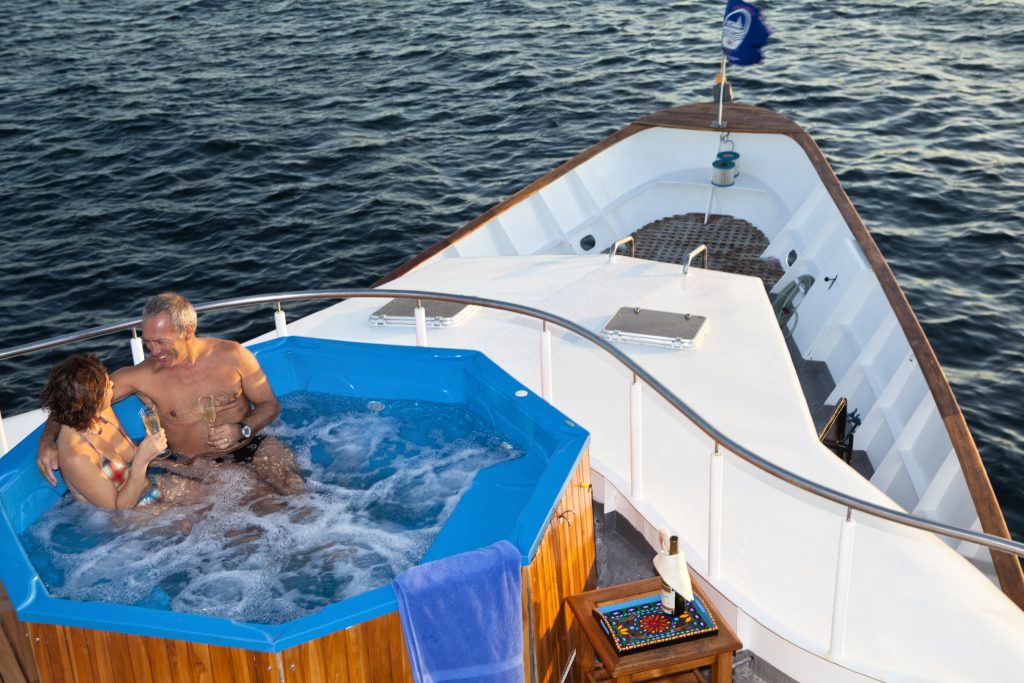
The crew that cleans these shores is the same crew that will welcome you aboard. When you dive the Galapagos with Aggressor Adventures on the Galapagos Aggressor III, you’re not just visiting one of the most extraordinary marine environments on the planet, you’re traveling with a team that cares deeply about protecting it.
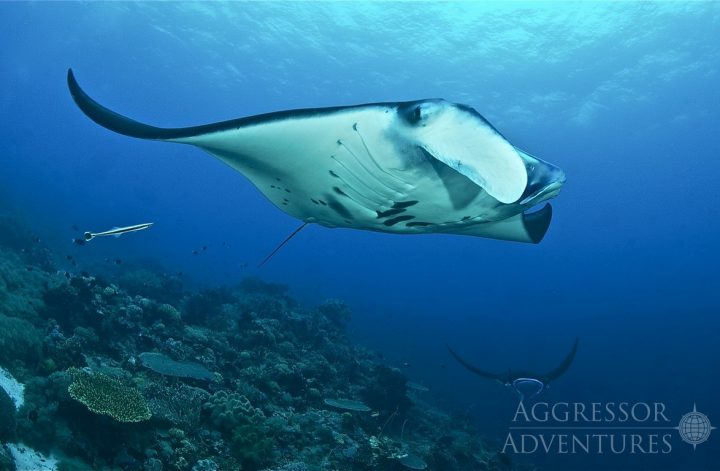
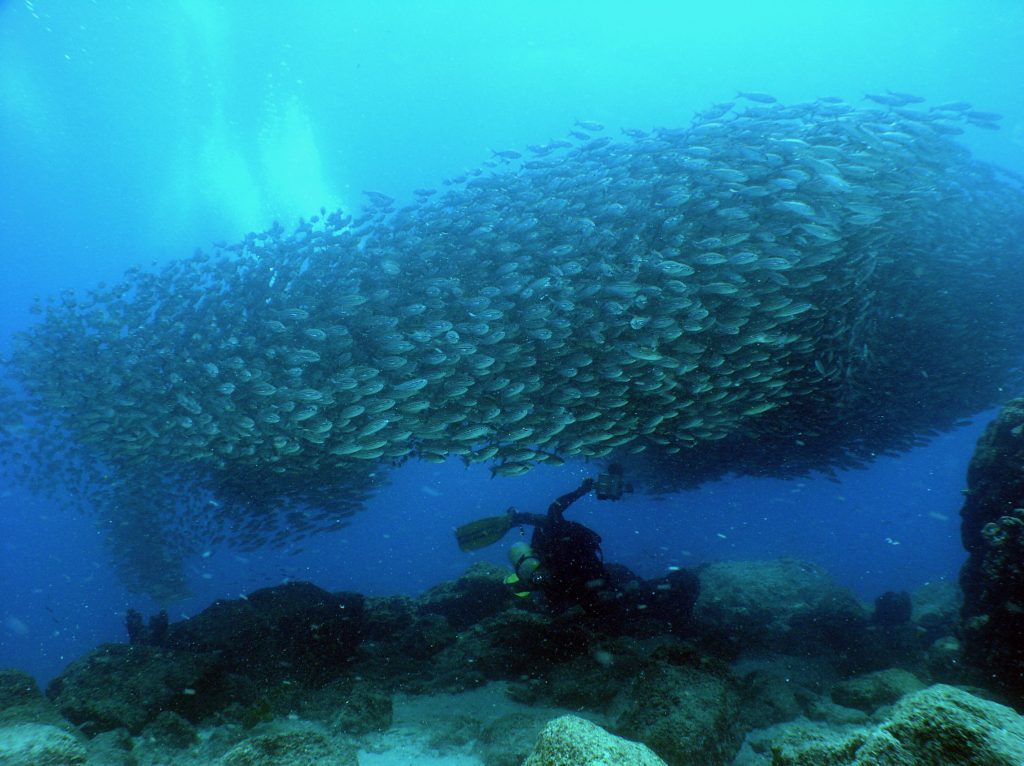
Our seven-day liveaboard itinerary begins right here in the Itabaca Channel, with the first check dive of the trip, before heading out to legendary sites like Wolf Island & Darwin Island. Expect schooling hammerheads, sea lions, marine iguanas grazing underwater, manta rays, and the kind of biodiversity that exists nowhere else on Earth. All from the comfort of a dedicated dive yacht.
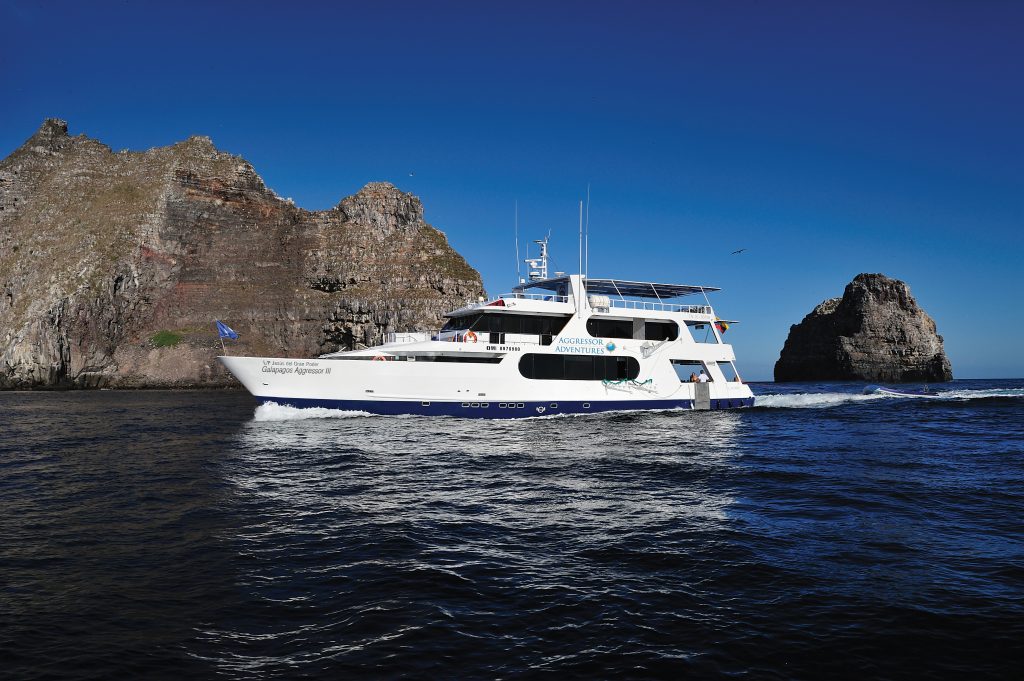
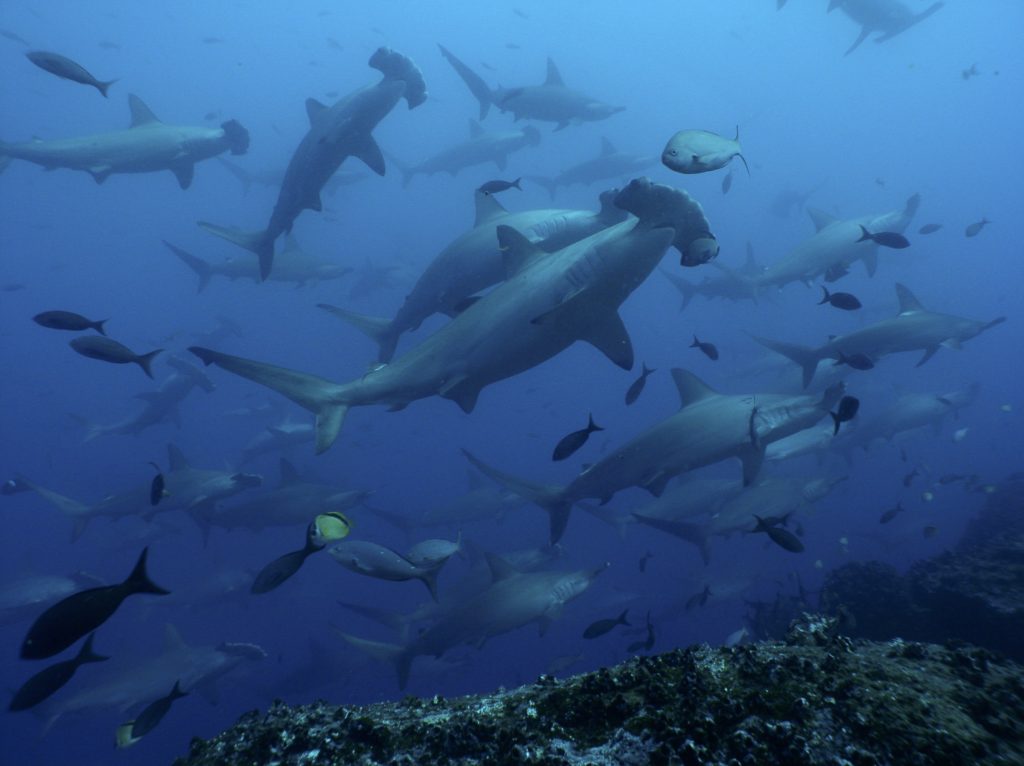
Every guest who joins us becomes part of the story of keeping these waters wild. If you’re ready to experience the Galapagos the way it was meant to be seen underwater, up close, and in good hands. We’d love to have you aboard.
[Explore Galapagos Aggressor III itineraries and book your trip »]