Few experiences in scuba diving capture your imagination like the best wreck diving. Some wrecks sit in shallow Caribbean water, filled with light and marine life. Others rest deep, surrounded by currents and history. Every wreck has a story, and every dive feels like stepping into it.
With Aggressor Adventures, wreck diving is not just something you check off a list. It becomes a journey across the world. Each destination offers a completely different experience, from historic warships to purpose sunk reefs that are now full of life.
If wreck diving has been on your mind, this is your chance to explore some of the best wreck dives in the world with Aggressor Adventures.
Cayman Islands: The Perfect Place to Start Wreck Diving
Cayman Aggressor IV
USS Kittiwake
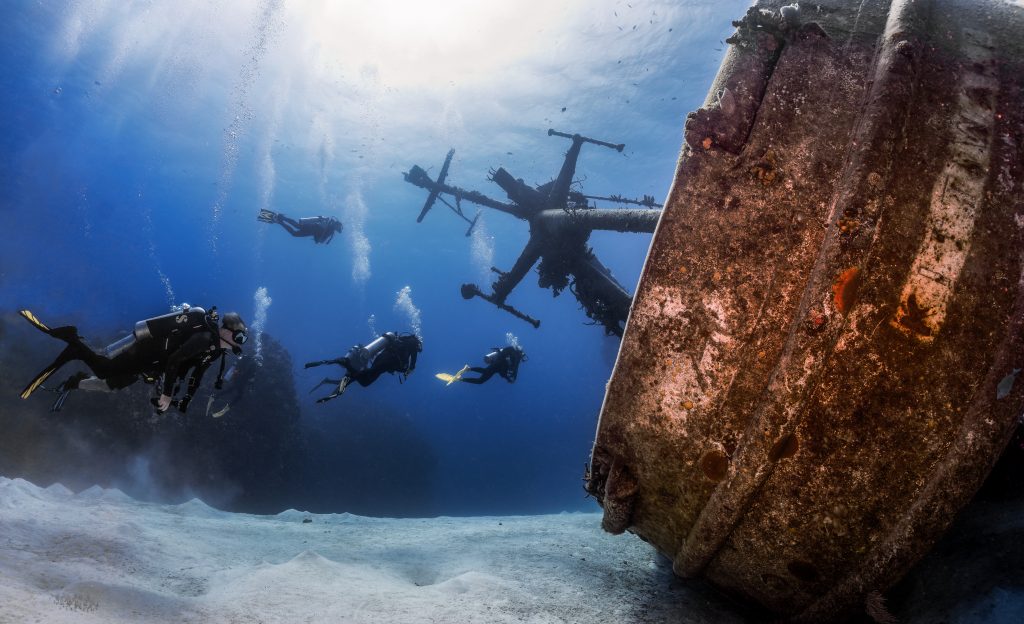
The USS Kittiwake is one of the Caribbean’s most popular wreck dives and a favorite for divers of all experience levels. This former U.S. Navy submarine rescue vessel was intentionally sunk off Grand Cayman in 2011 to create an artificial reef and dive attraction.
Resting on her port side in crystal clear water between about 60 and 70 feet, the wreck offers easy navigation, wide open swim-throughs, and excellent natural light throughout the structure. Divers can explore multiple decks, large rooms, and exterior features while enjoying long bottom times and incredible visibility.
Marine life has quickly taken over the wreck, with schools of fish, sponges, and coral growth covering the structure. With its accessibility and massive layout, the Kittiwake delivers the perfect mix of history, exploration, and easy Caribbean diving.
Russian Destroyer (aka Keith Tibbetts)
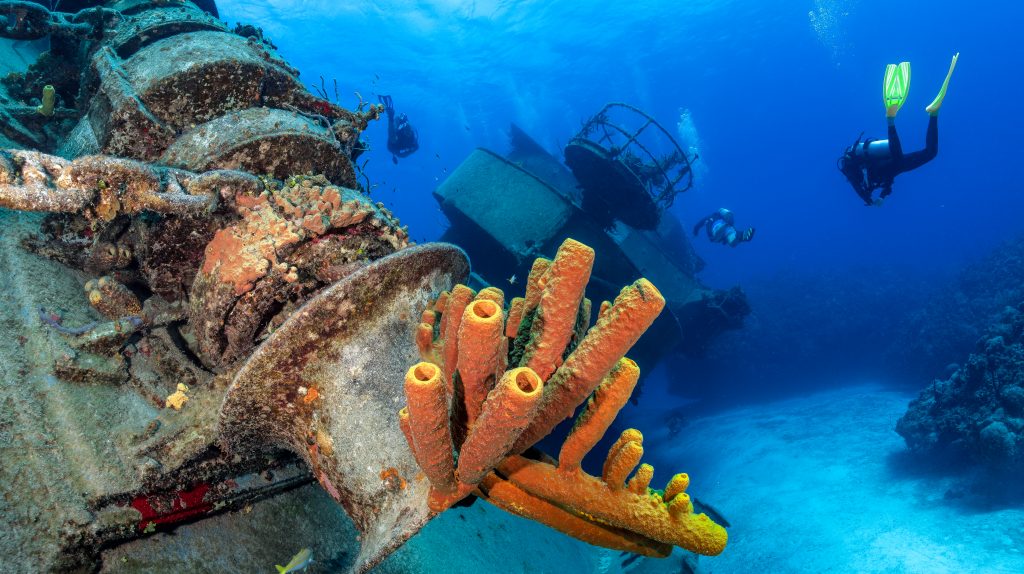
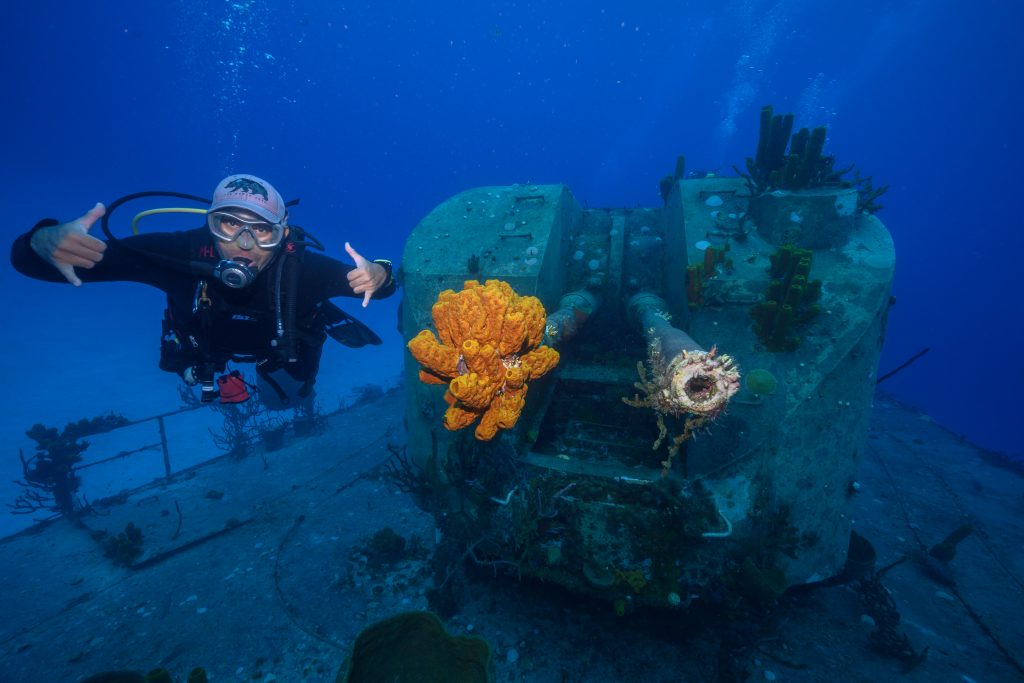
The Keith Tibbetts, often called the Russian Destroyer, is one of the Caribbean’s most unique wreck dives. This 330-foot Russian frigate was intentionally sunk off Cayman Brac in 1996 to create an artificial reef. In 2004, Hurricane Ivan split the wreck into two large sections, giving it an even more dramatic underwater presence.
Resting between about 60 and 110 feet, the wreck offers a deeper and more adventurous dive experience. While penetration is not allowed, divers can explore along the fractured hull, massive propellers, and coral-covered structure as marine life continues to take over.
With its raw appearance, strong sense of scale, and thriving reef growth, the Keith Tibbetts delivers a wreck dive that feels both rugged and unforgettable.
The Red Sea: Legendary Wreck Diving Destinations
Red Sea Aggressor II
SS Thistlegorm
The SS Thistlegorm is one of the most legendary wreck dives in the world. This British cargo ship was sunk in 1941 during World War II after a German air raid while anchored in the Red Sea.
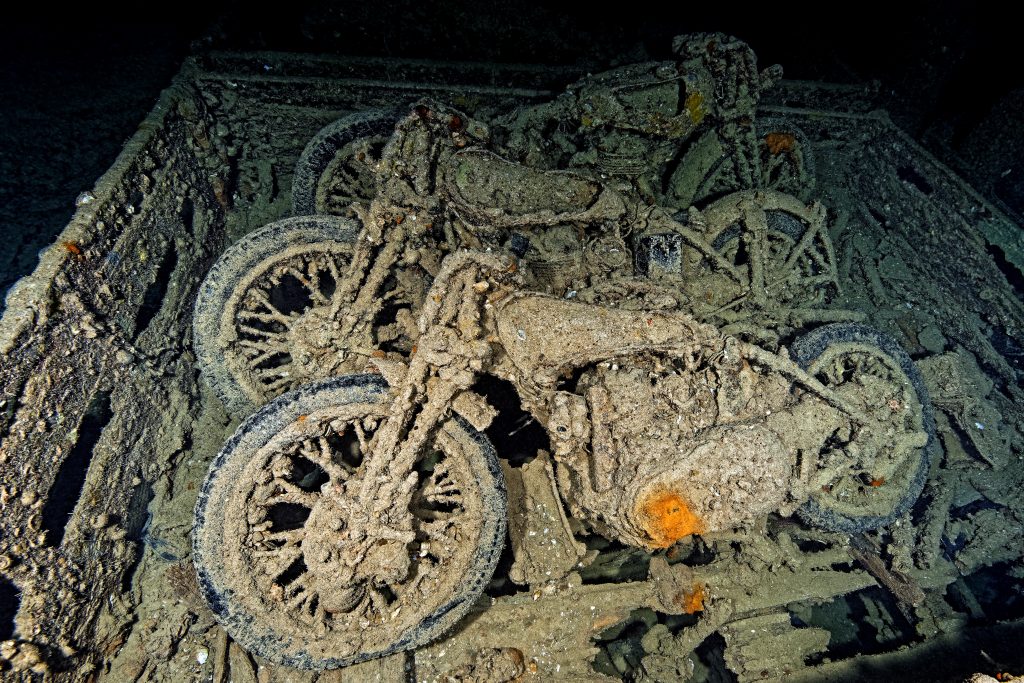
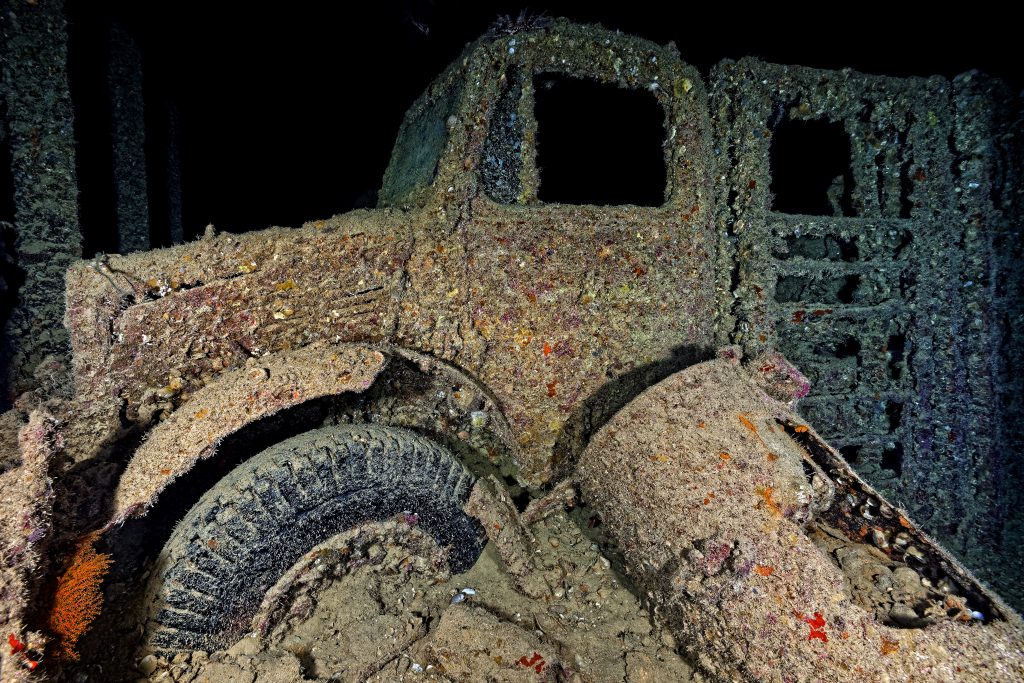
The wreck rests between about 50 and 100 feet, making much of it accessible to recreational divers. What makes it unforgettable is its cargo. Motorcycles, trucks, and wartime supplies still scattered across the holds, frozen in time.
Divers can explore both the exterior and interior, with large open cargo holds offering easy swim-throughs. Expect schools of fish, barracuda, and often stronger currents that add energy to the dive.
This is not just a wreck, it’s a fully preserved moment in history beneath the surface.
Salem Express
The Salem Express is one of the most powerful wreck dives in the Red Sea. This passenger ferry sank in 1991 after striking a reef, making it a much more recent and emotional site than many other wrecks.
The wreck lies between about 60 and 100 feet, with large sections of the structure easily visible from the outside. While penetration is possible in some areas, many divers choose to explore the exterior out of respect for the site.
The ship’s scale is immediately striking, with lifeboats and personal remnants still visible. Marine life has begun to take hold, with fish and coral slowly covering the wreck.
Diving the Salem Express is less about exploration and more about reflection—a unique experience that leaves a lasting impression.
SS Dunraven
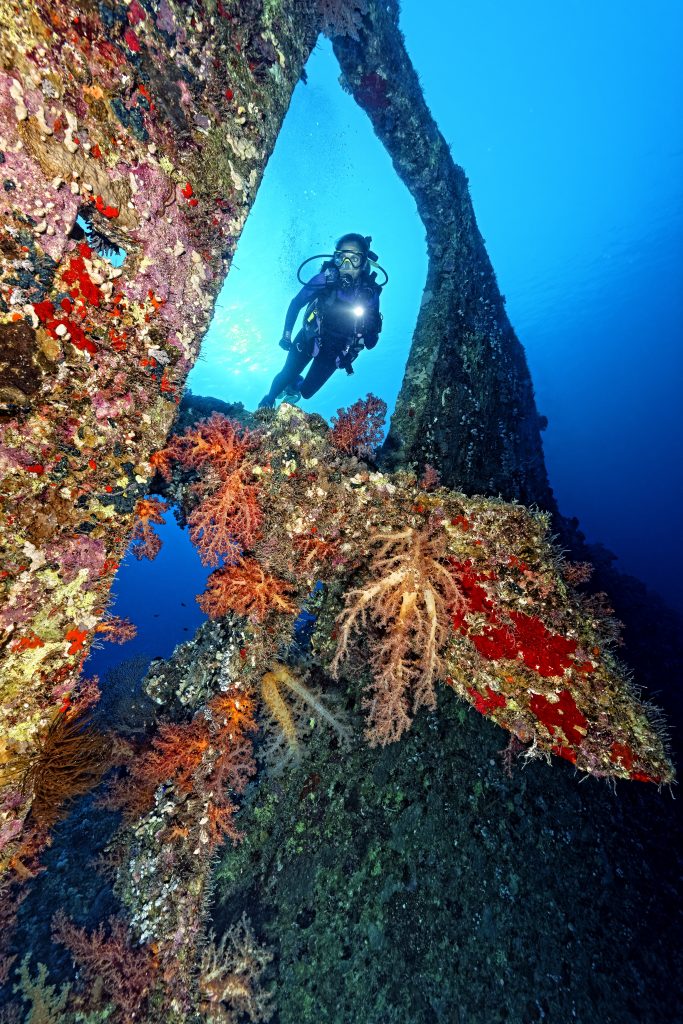
The SS Dunraven is a British steamship that sank in 1876 after striking a reef in the Red Sea. Today, it rests upside down between about 60 and 100 feet, creating a unique and easy-to-explore wreck.
Its inverted structure forms a curved, coral-covered reef with large openings that allow for simple, safe swim-throughs. Inside, you’ll find beams of light cutting through schools of glassfish, along with glimpses of the ship’s engine and framework.
Marine life thrives here, with soft corals, lionfish, and moray eels commonly seen. Calm conditions and excellent visibility make this a relaxed, photo-friendly dive that’s perfect for taking your time underwater.
Red Sea Aggressor IV
Numidia
The Numidia is one of the Red Sea’s most dramatic wreck dives. This British cargo ship sank in 1901 after running into the Big Brother Island lighthouse reef, where it still rests today along the steep wall.
The wreck stretches from shallow depths down beyond 250 feet, allowing recreational divers to explore the upper sections around 30 to 100 feet while technical divers can venture deeper. Covered in soft corals and sea fans, the structure feels more like an underwater cliff than a shipwreck.
Divers can swim alongside massive sections of the hull, explore cargo areas, and spot marine life ranging from glassfish and tuna to occasional reef sharks. Currents can vary, adding to the excitement of the dive.
The Numidia combines huge scale, rich history, and thriving marine life into one unforgettable Red Sea wreck experience.
Palau: Where Wreck Diving Meets History
Palau Aggressor II
Helmet Wreck
The Helmet Wreck is one of the most iconic WWII dive sites, sunk by an air raid in 1944. This wreck, which sits on a slope ranging from 45′ – 110′, is so covered in coral and marine life that it almost feels like a reef. Relics from World War II including rifles, gas masks, ammunition boxes, sake bottles, and ceramic goods are still visible.
For decades, the ship was known for its dangerous cargo of depth charges. In 2025, a massive 7 year project by the Japan Mine Action Service successfully removed over 82 tons on unexploded ordnance, making it much safer for recreation diving.
This is one of the most unique wreck diving experiences because it blends structure and reef life into one dive.
Iro Maru
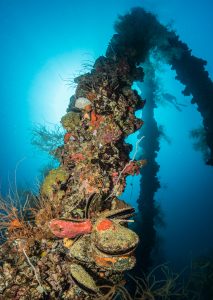
The Iro Maru is one of Palau’s most iconic wreck dives, offering both scale and a powerful connection to history. This Japanese oil tanker was sunk during Operation Desecrate One, when U.S. forces launched a massive aerial attack on Palau’s fleet in 1944.
Today, the wreck rests upright and largely intact, giving divers the chance to explore a true piece of World War II beneath the surface. Its long structure, towering superstructure, and wide swim-throughs make it feel like an underwater corridor frozen in time.
As you move along the deck, you’ll find remnants of its past purpose alongside thriving marine life that has taken over the wreck. Schools of fish surround the structure, and larger pelagics are often seen cruising nearby, adding energy to every dive.
The Iro Maru perfectly blends history and adventure, offering a dive that is just as meaningful as it is visually impressive.
The Iro Maru perfectly blends history and adventure, offering a dive that is just as meaningful as it is visually impressive.
Philippines: A Full Wreck Diving Experience in Coron
Philippines Aggressor
Coron is not just one wreck dive. It is an entire collection of World War II ships spread across the region.
Each dive offers something different. You can explore engine rooms, cargo holds, and deck guns across multiple days. The conditions are calm, the water is warm, and the visibility allows for long, enjoyable dives.
If you are serious about wreck diving, this is one of the best places in the world to fully immerse yourself in it.
Roatan: Easy and Rewarding Wreck Diving
Roatan Aggressor
Odyssey Wreck
The Odyssey Wreck is Roatán’s largest artificial reef and one of the most rewarding wreck dives in the Caribbean. This 300-foot cargo ship was intentionally sunk in 2002 to create a thriving marine habitat, and over the years, it has transformed into a vibrant underwater ecosystem.
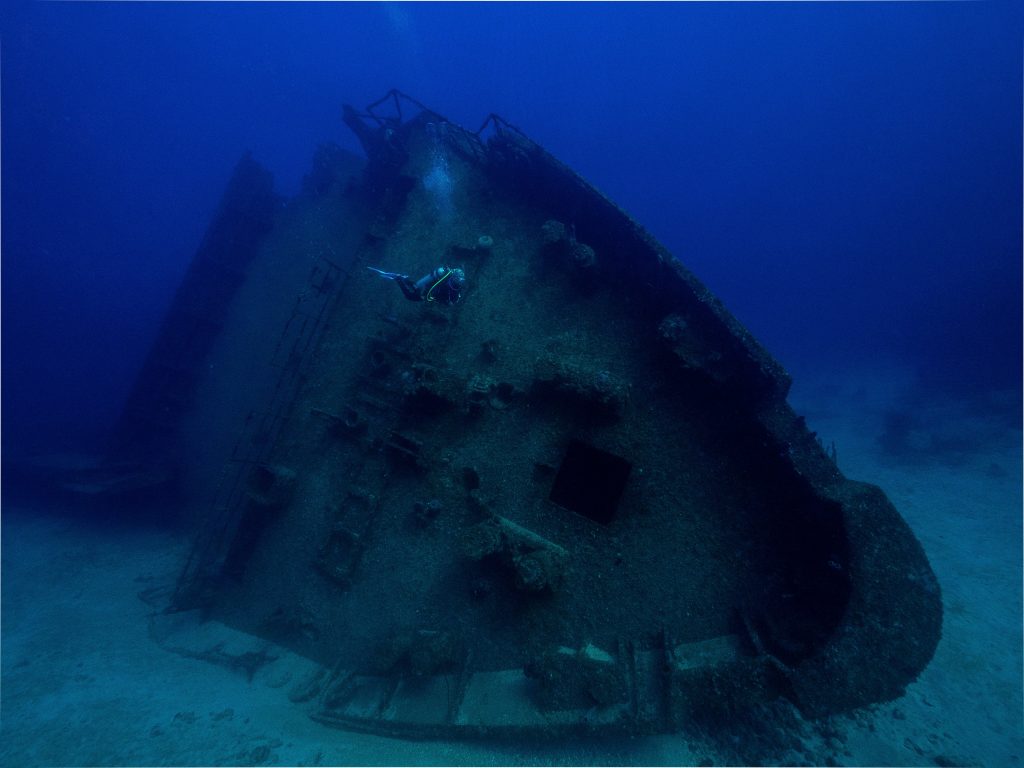
Resting on its side, the wreck sits with its deepest point around 110 feet, while the upper sections rise to about 60–70 feet. This makes it accessible to a range of divers, with plenty to explore even on a single dive.
The structure itself is massive. Wide open cargo holds, swim-throughs, and towering sections of the hull give divers a sense of scale as they move through and around the wreck. Light filters in from above, creating dramatic views and making navigation relatively easy.
Marine life is everywhere. You’ll often see large schools of fish circling the wreck, along with barracuda, snapper, and the occasional turtle cruising by. Sponges and soft corals have taken hold across the structure, adding color and life to every surface.
What makes the Odyssey special is how it combines easy exploration with big-wreck presence. Whether you’re looking to practice wreck penetration, capture wide-angle photos, or simply take in the size of the structure, this dive delivers.
It pairs perfectly with Roatán’s famous wall dives, giving you a well-rounded experience that blends reef and wreck diving in one trip.
Why Liveaboard Wreck Diving is the Best Way to Dive
If you want to experience the best wreck diving in the world, liveaboards make it possible.
You wake up close to the dive sites. You get multiple dives per day. You avoid long travel times and spend more time in the water.
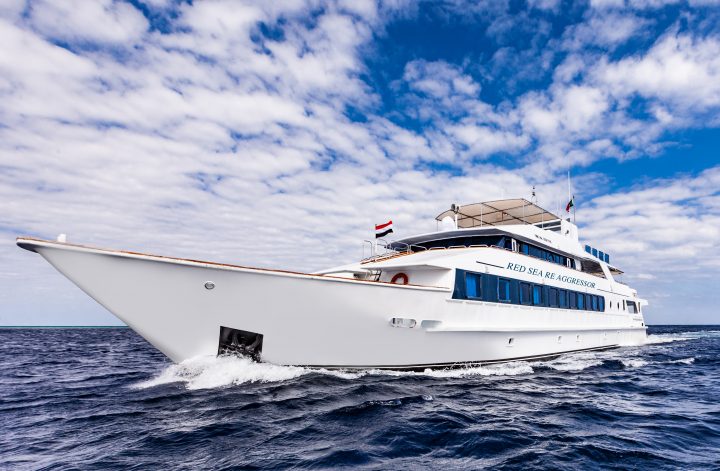
Aggressor Adventures gives you access to world class wreck diving destinations with expert guides and comfortable accommodations. Everything is built around maximizing your dive experience.
This is how wreck diving trips are meant to be done.
Ready to Experience the Best Wreck Diving in the World?
Whether you want to dive the Thistlegorm, explore the wrecks of Coron, or start with the Kittiwake in the Cayman Islands, there is a destination waiting for you.
Wreck diving is not just about one dive. It is about exploring history, marine life, and new environments across the world.
Your next dive could be inside one of the most famous wrecks on the planet.
Start planning your wreck diving adventure with Aggressor Adventures today.